
Nurmuižas Pils Hotel
Indicative nightly range€90–€180Indicative nightly rate for 2 adults. Rates vary by dates, room category and availability. Final price is confirmed on the property’s booking site.
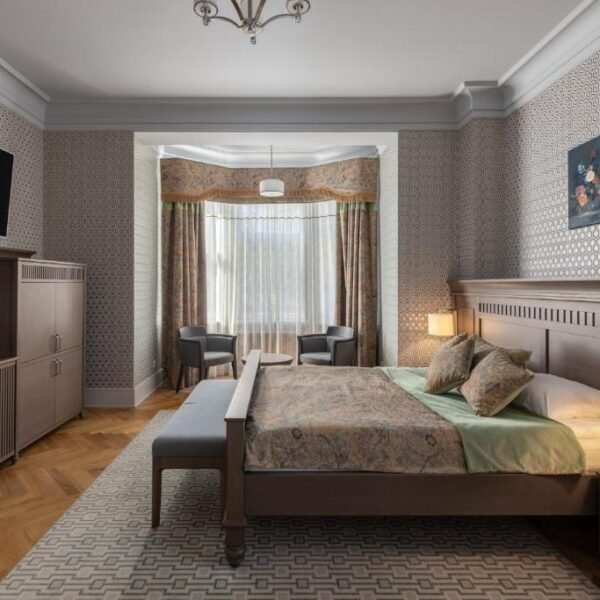
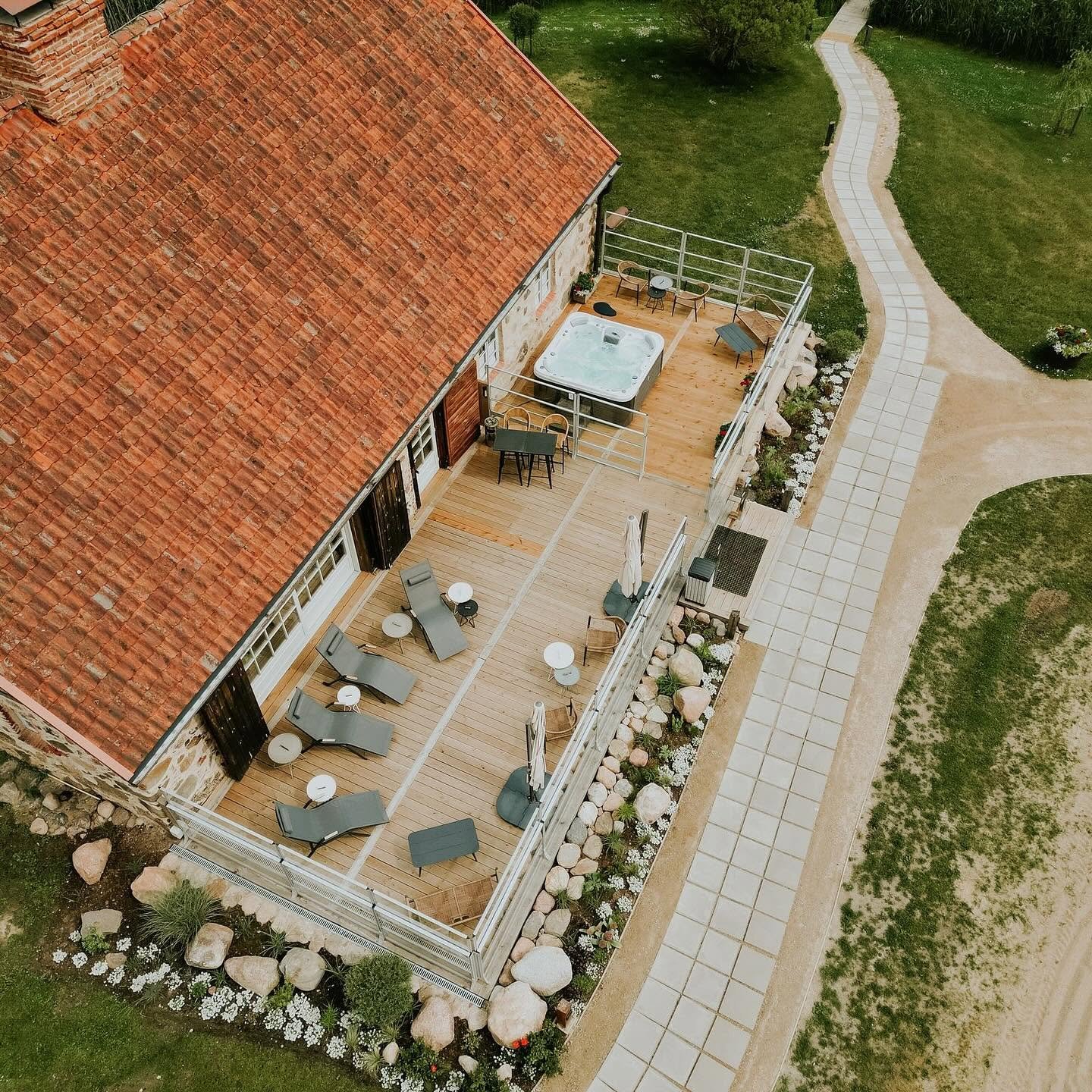
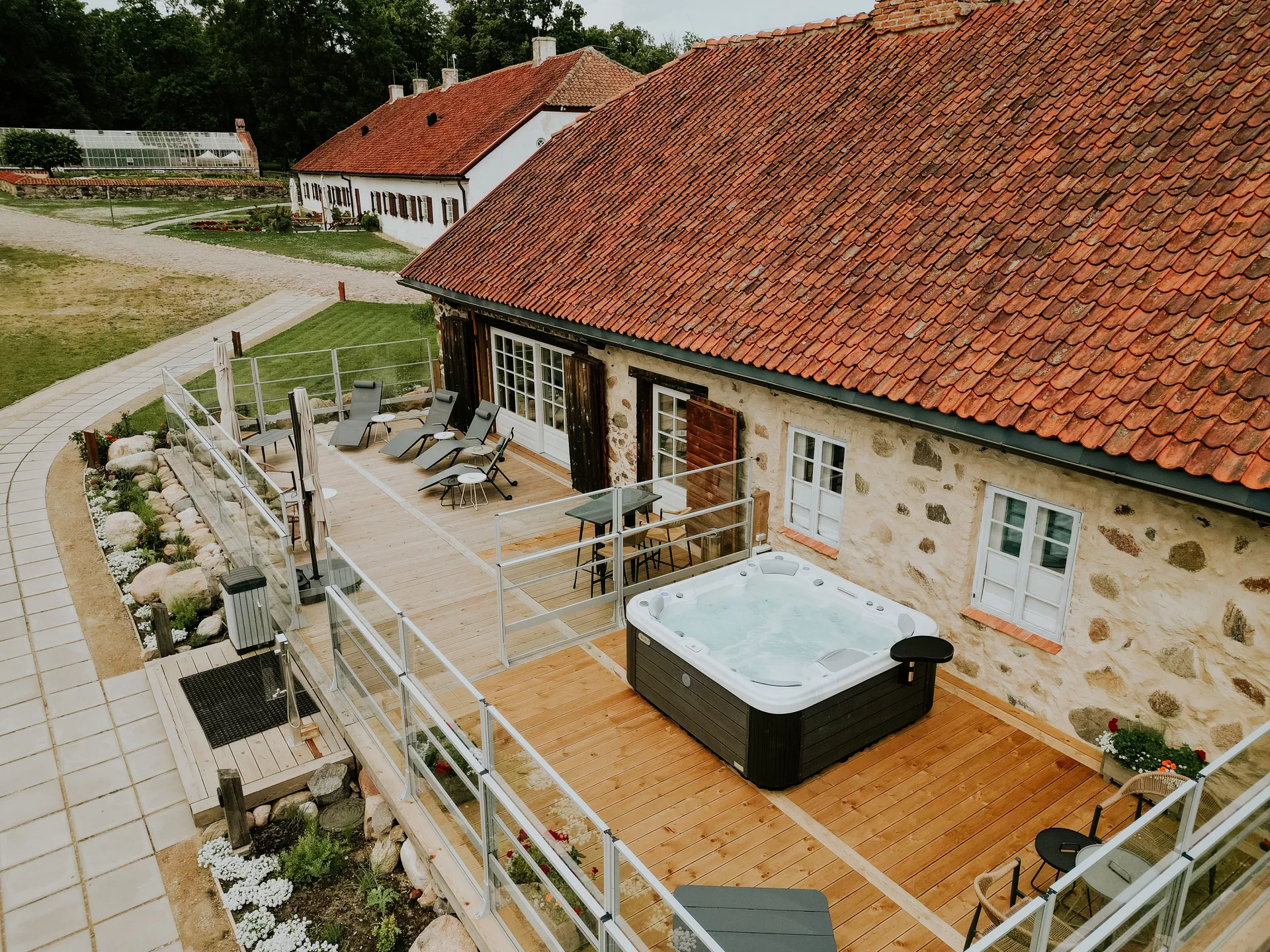
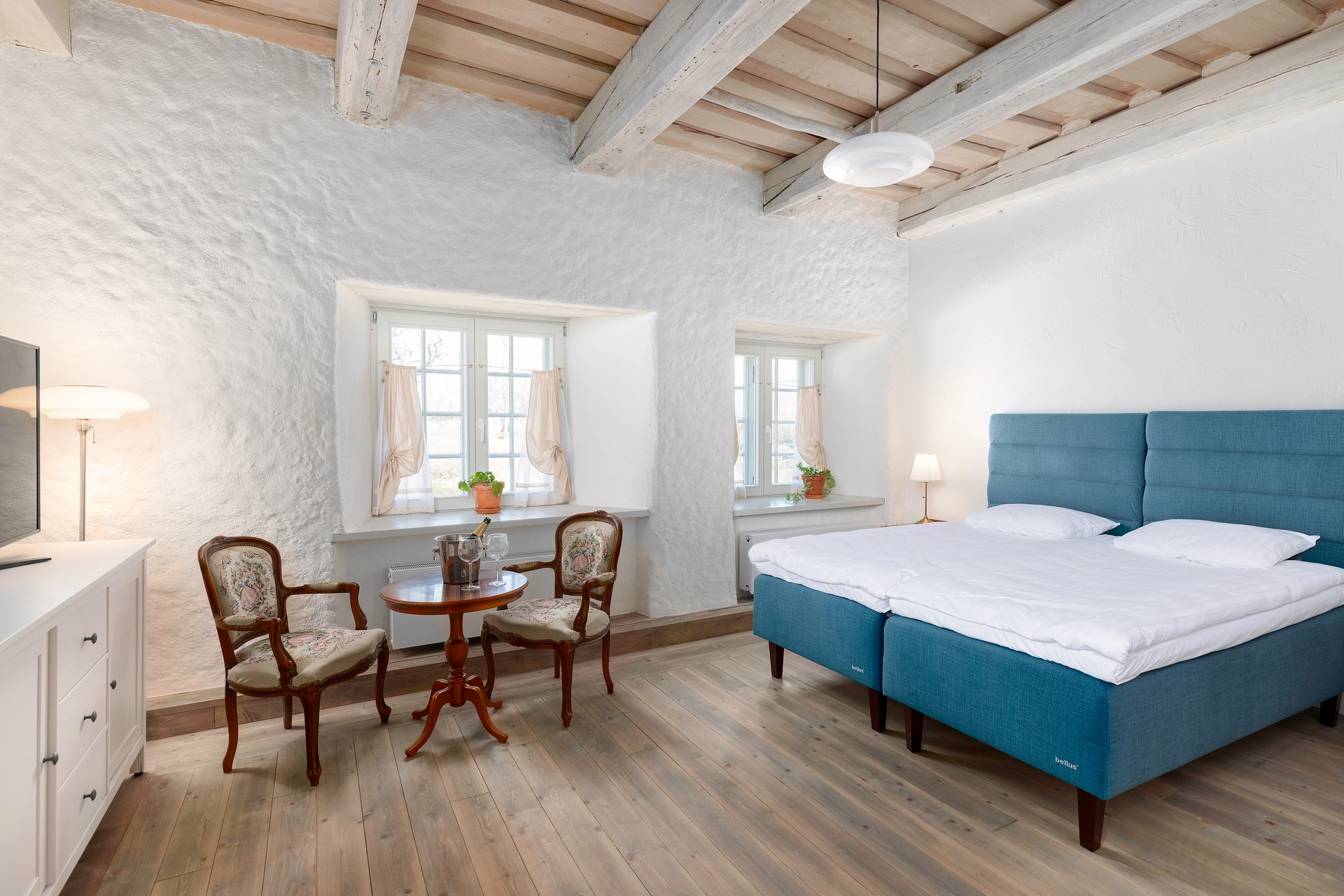
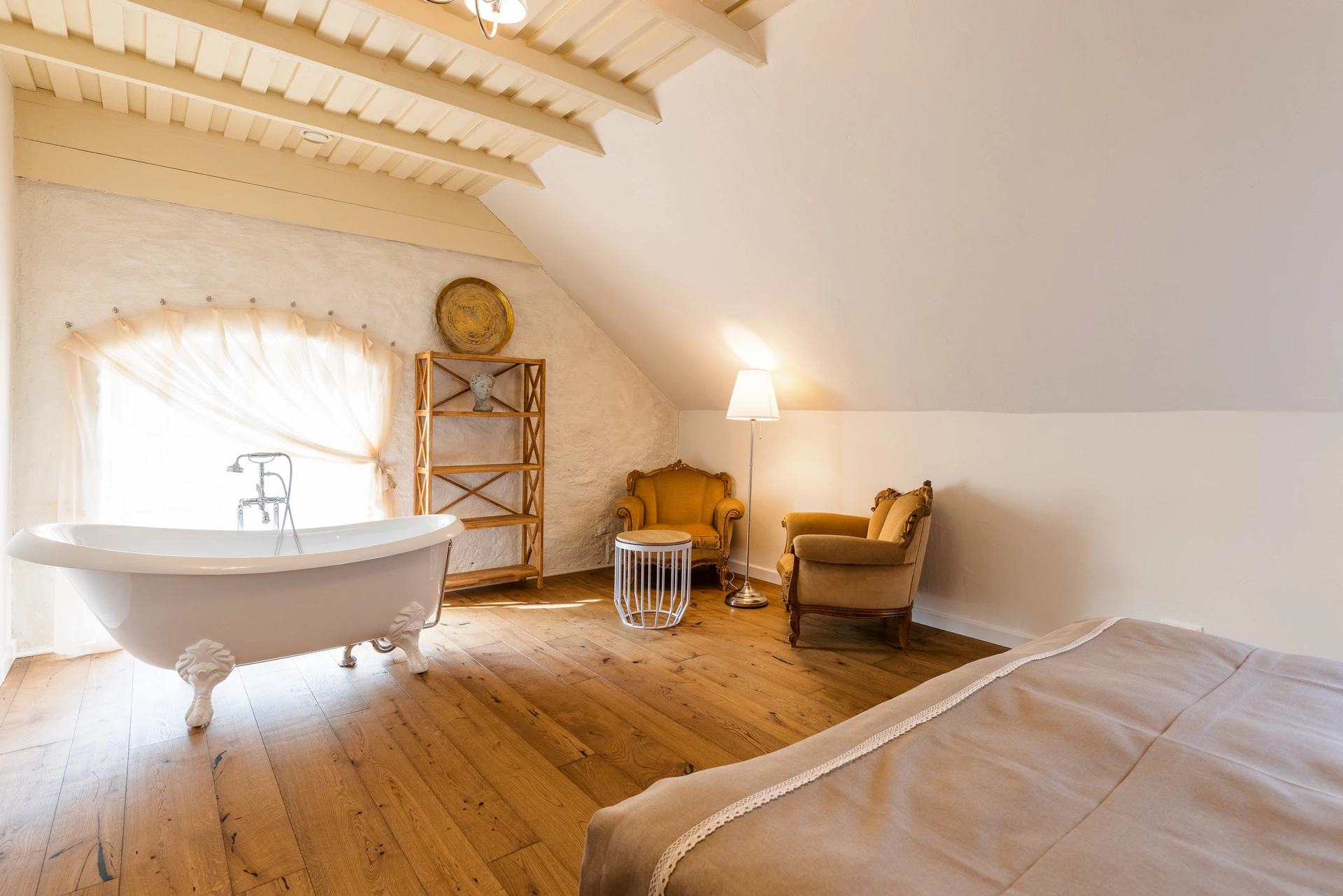
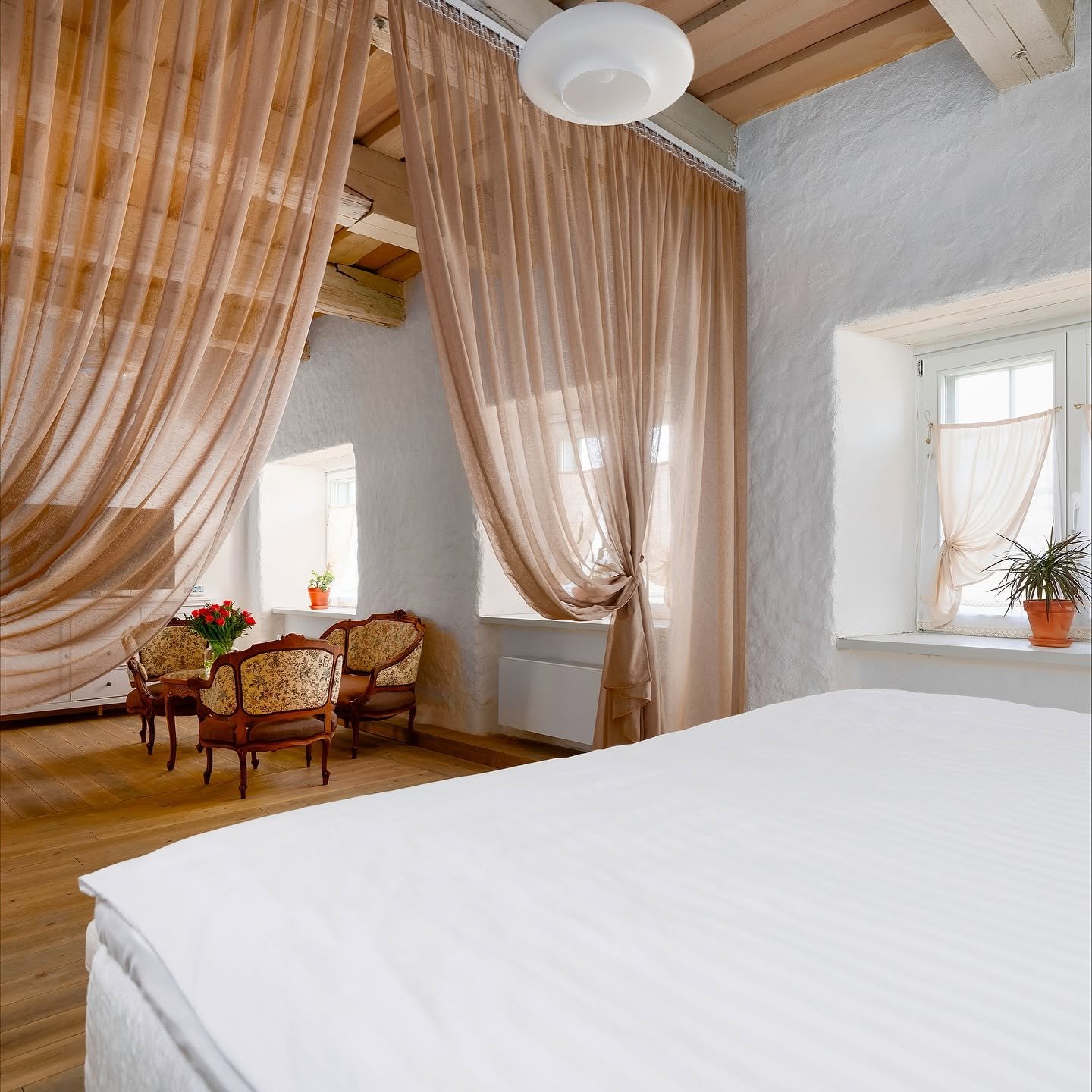
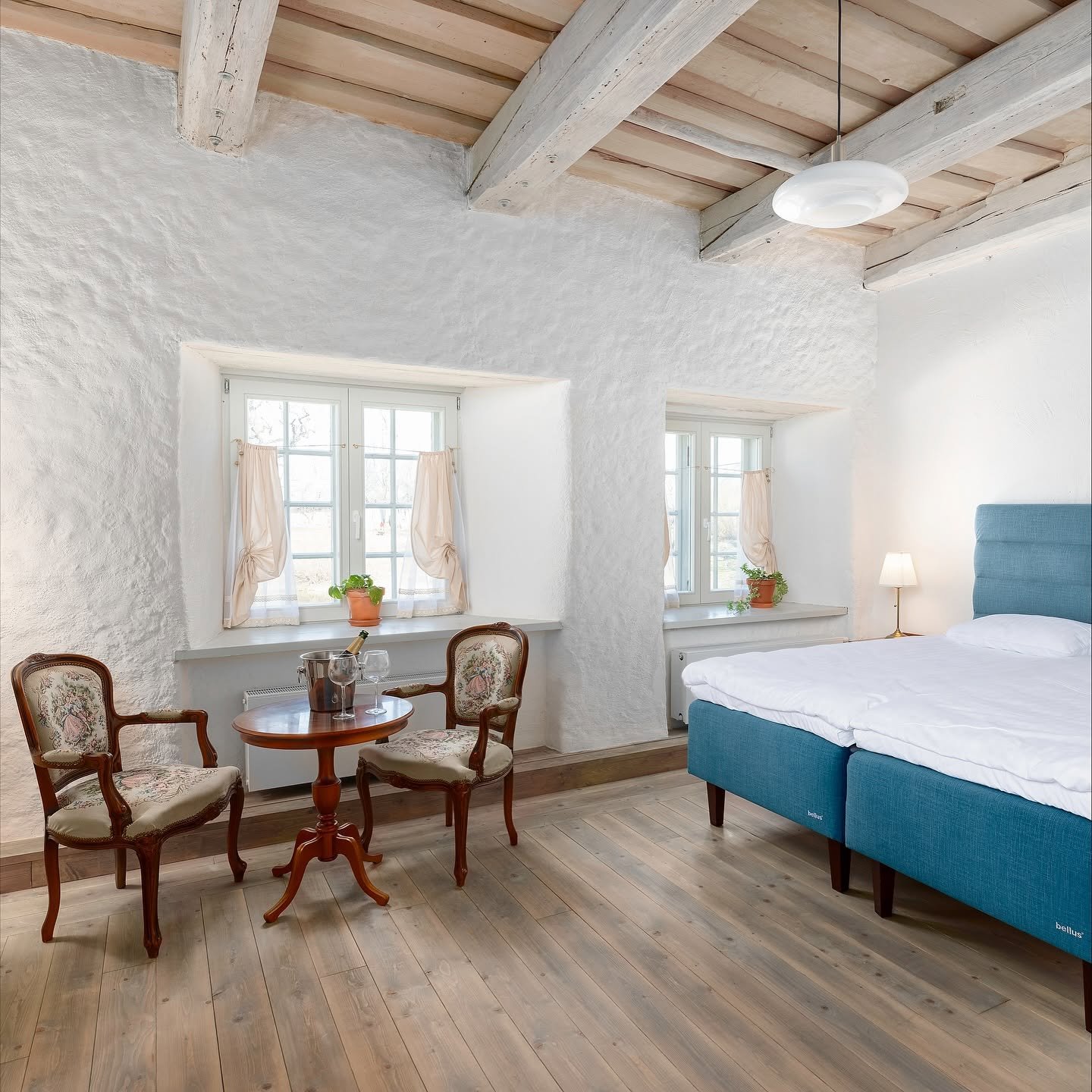
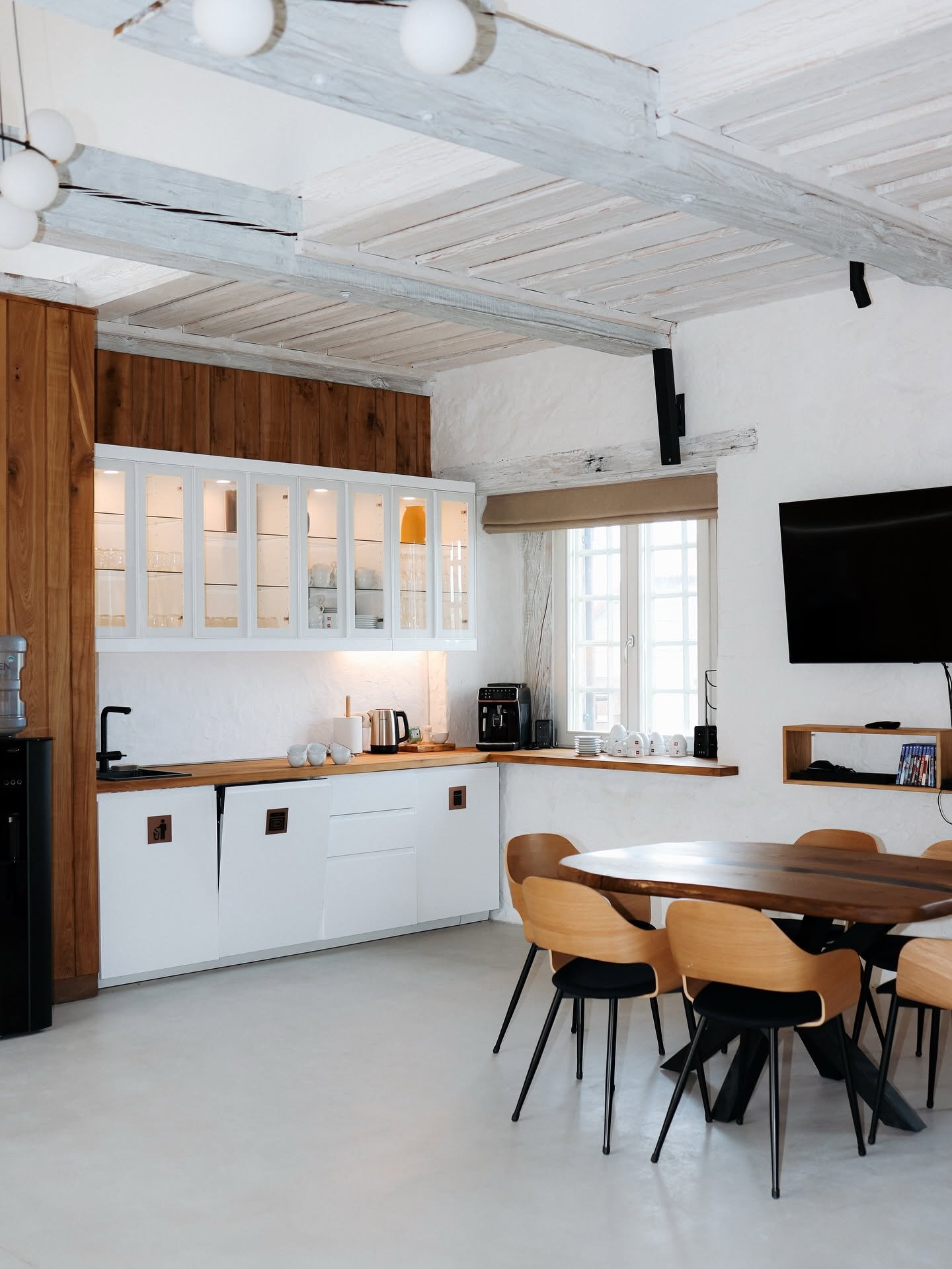
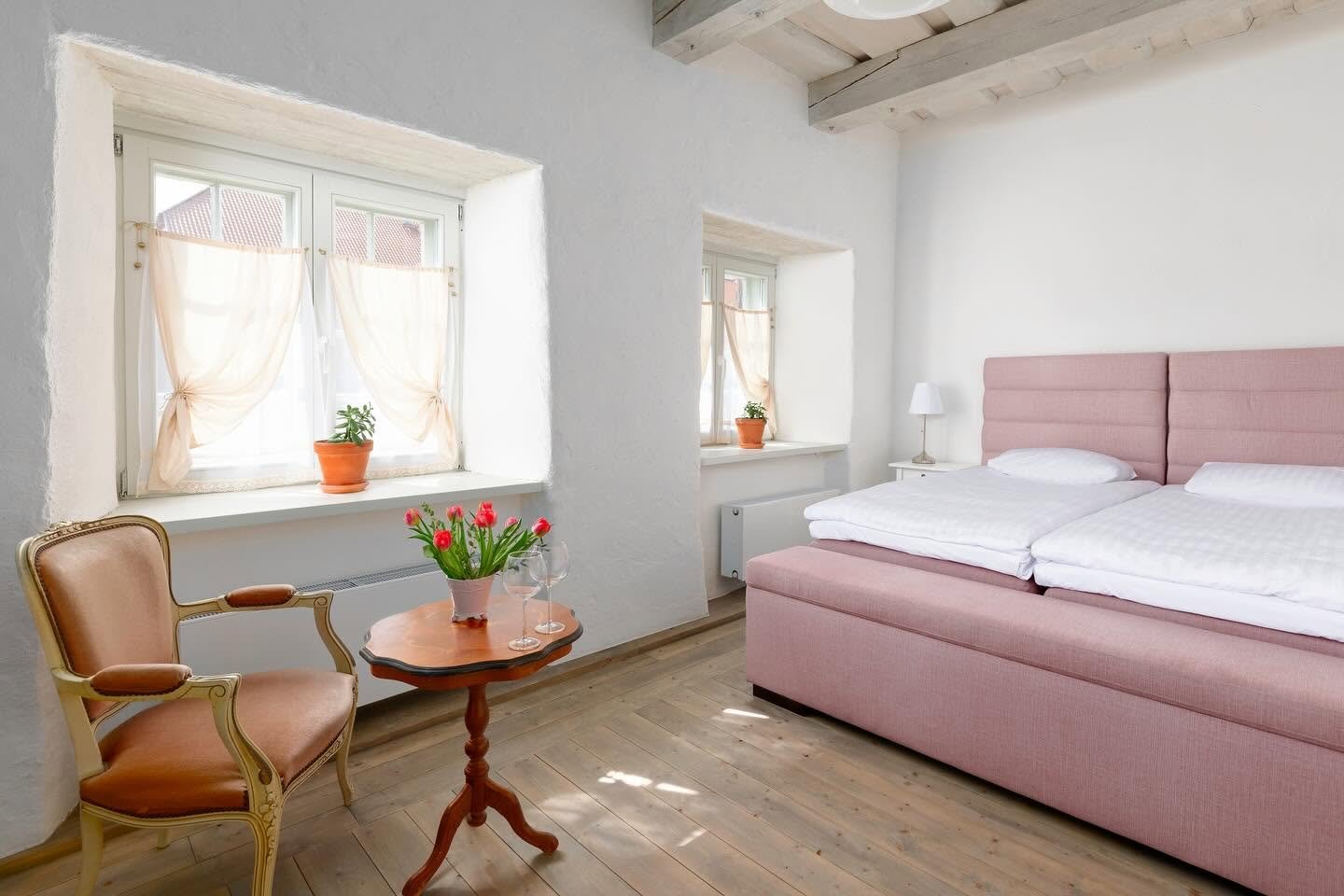
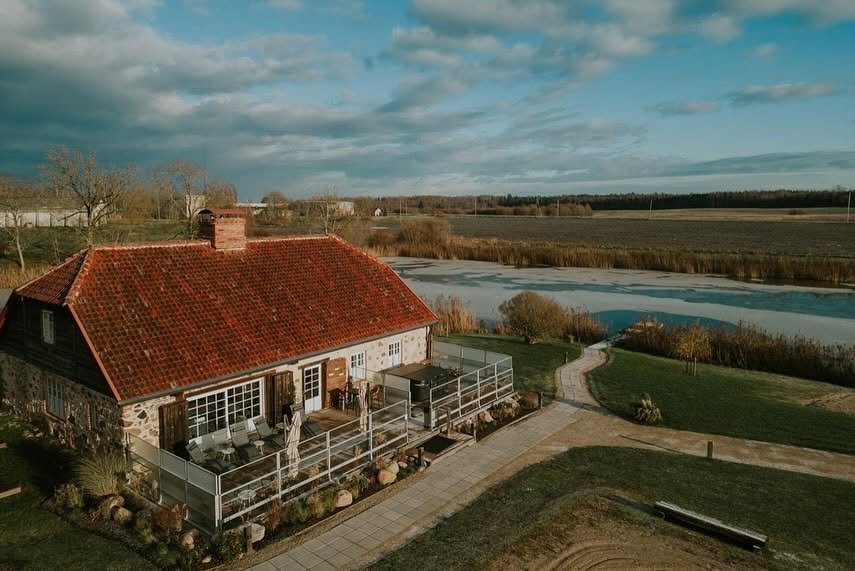
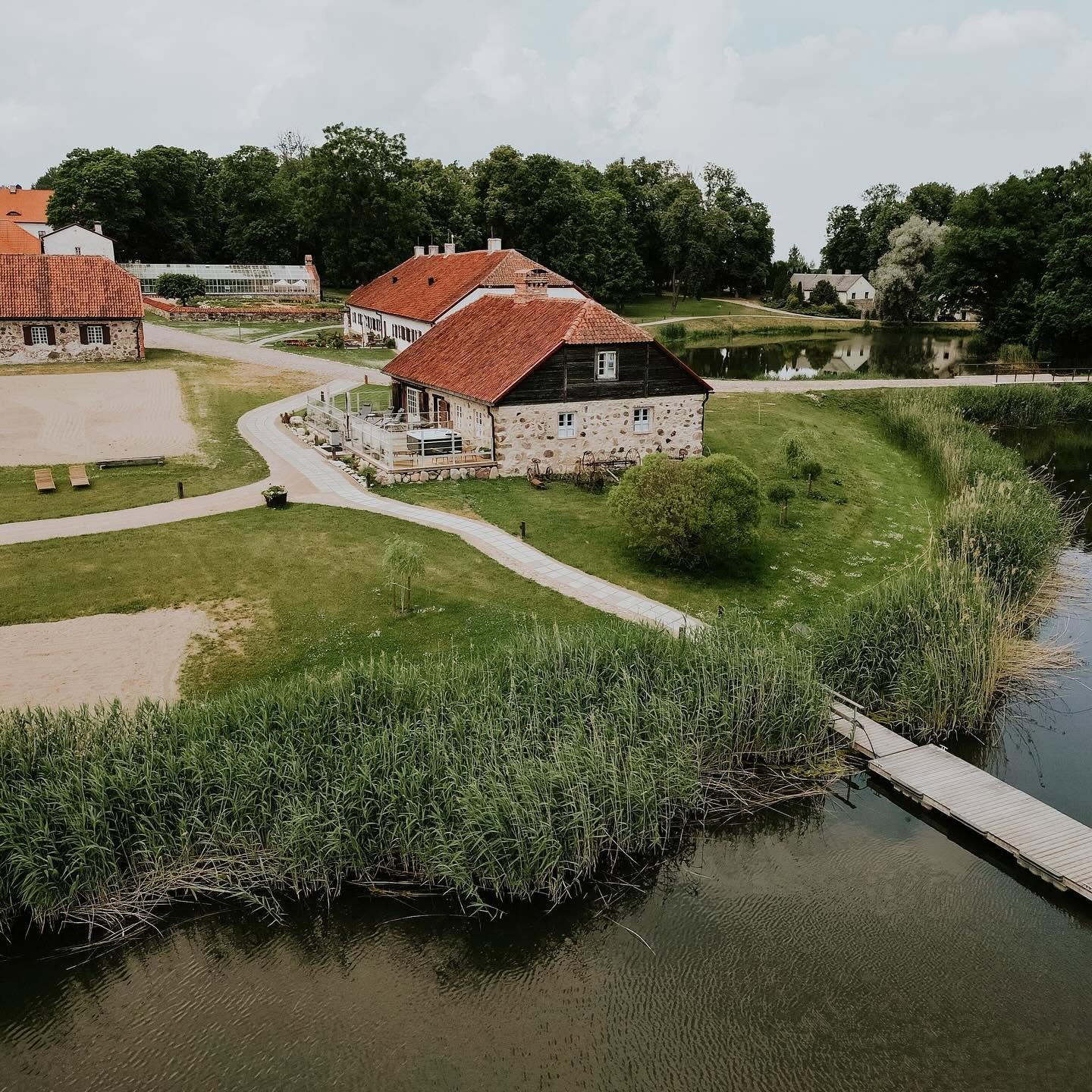
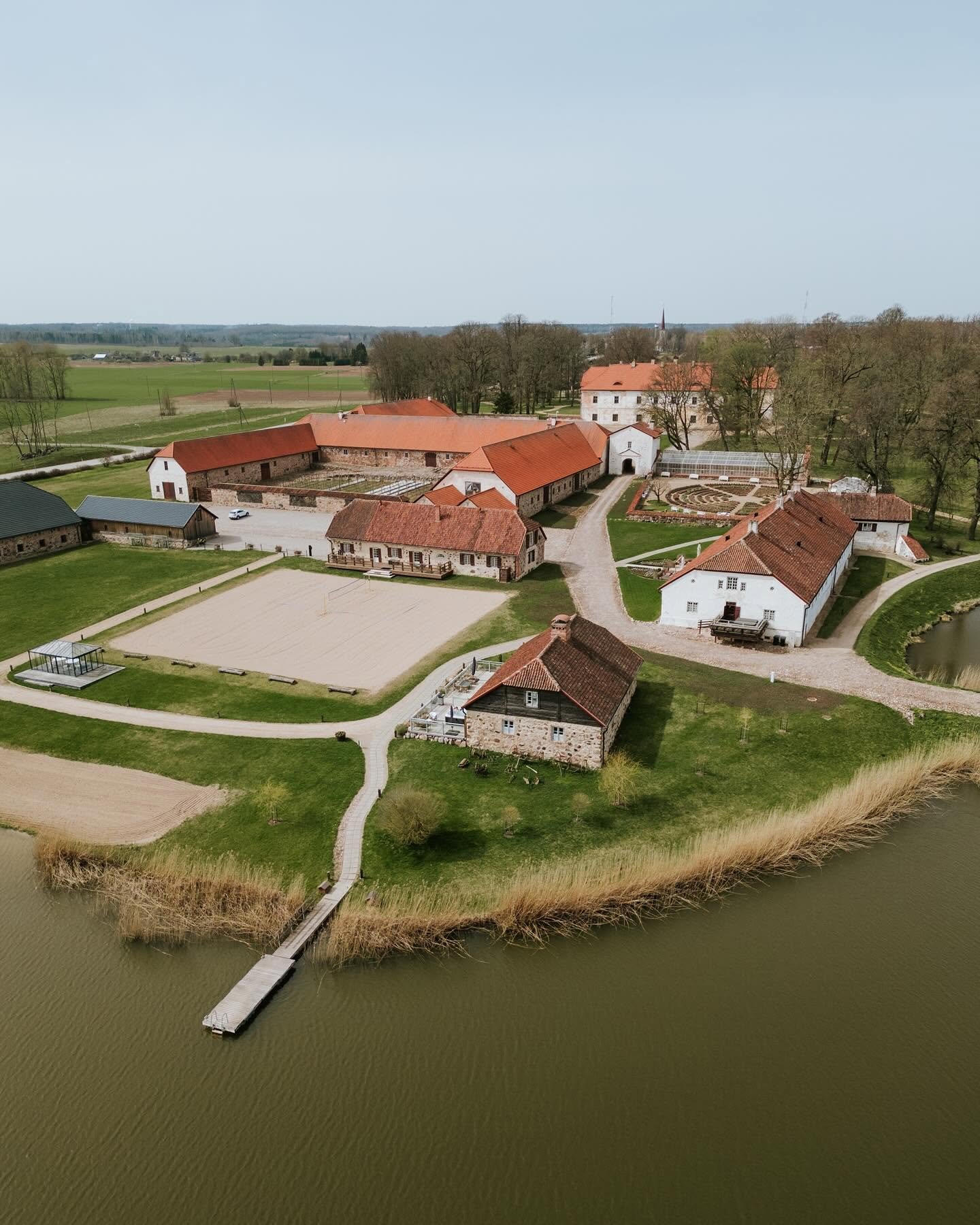
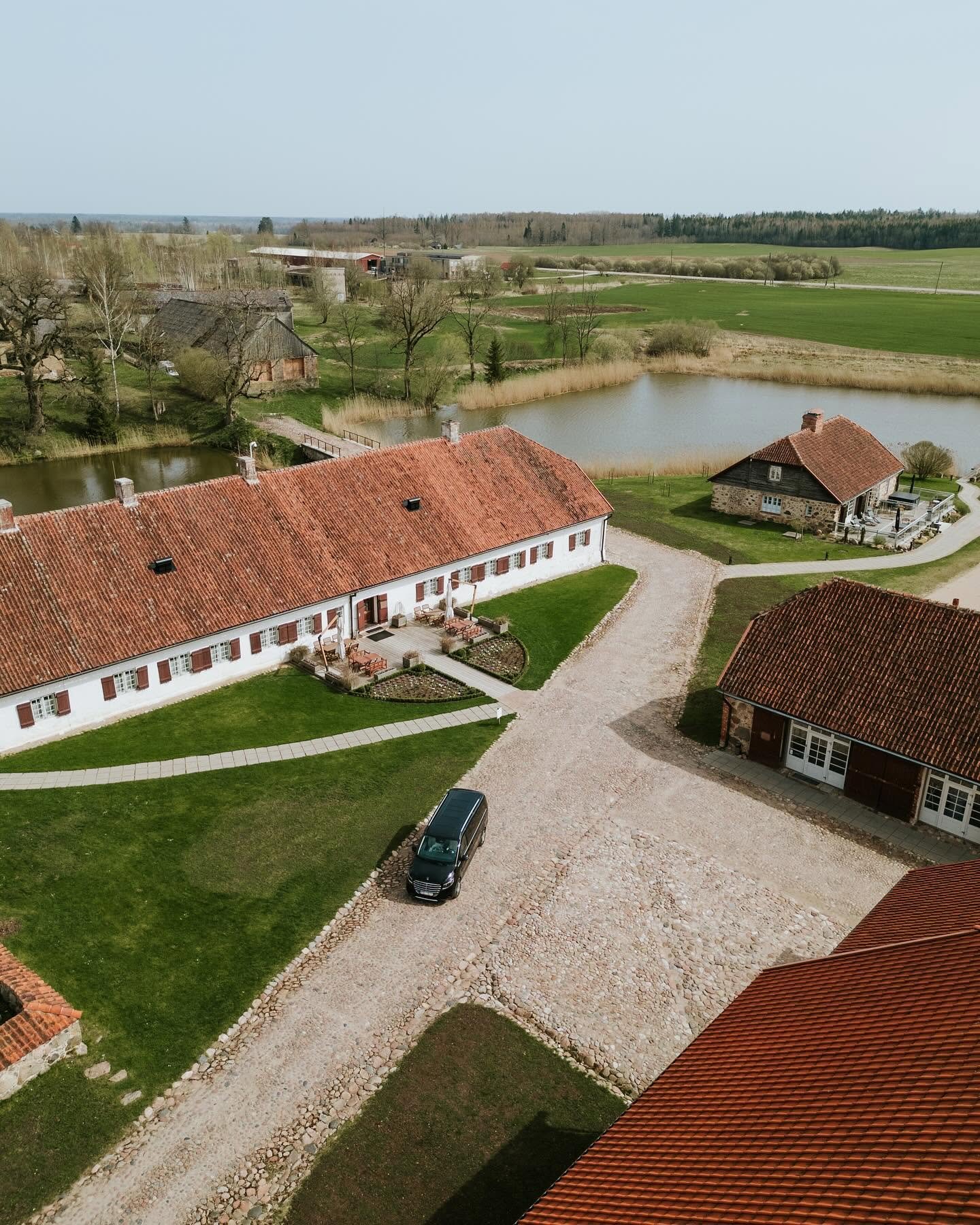
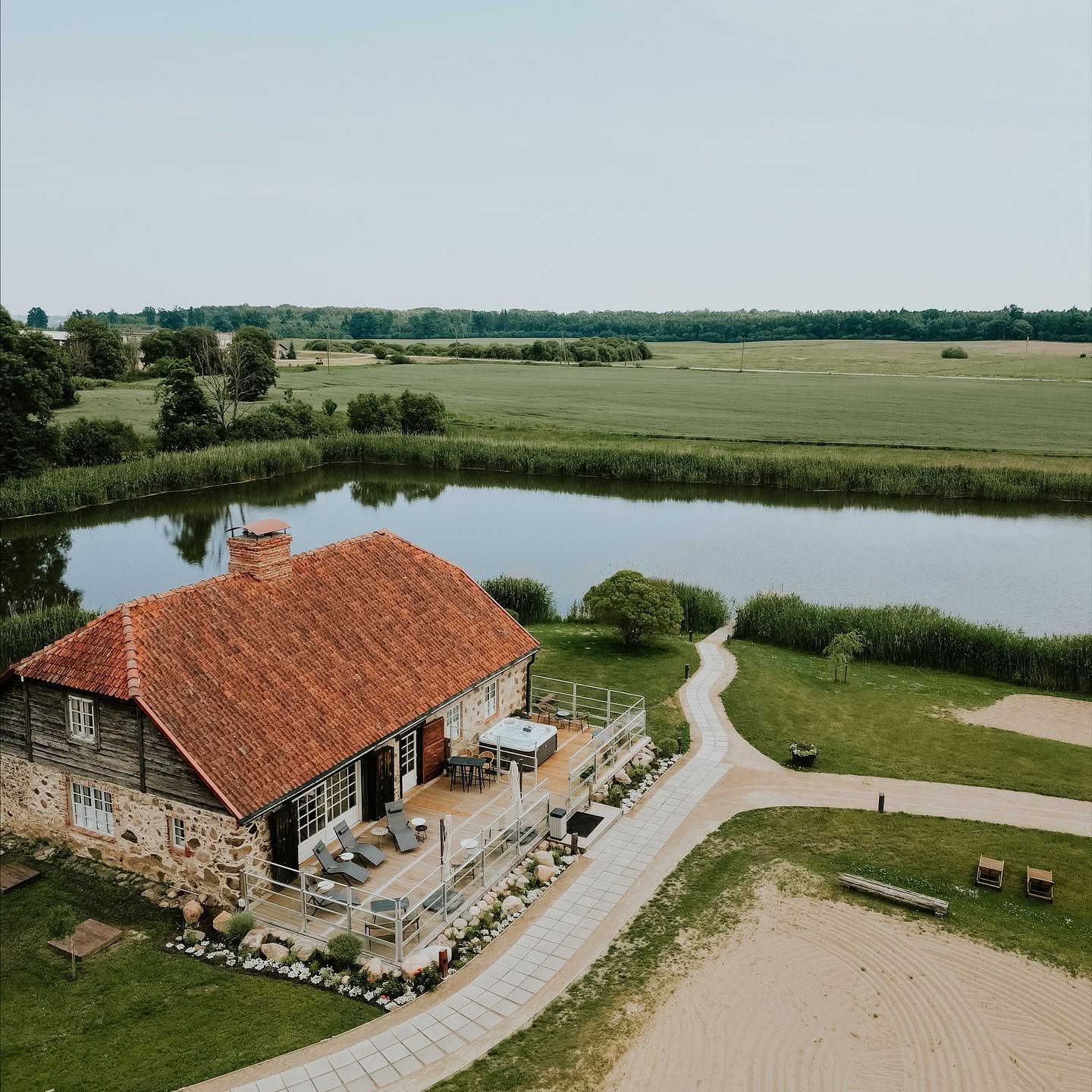
Discover the enchantment of Nurmuiža Castle Hotel, offering a total of 22 rooms for an unforgettable stay. Choose from 15 exquisite rooms located within the main building, 6 charming rooms nestled above the restaurant, or experience the tranquillity of our gardener’s cottage.
| Property Type | Hotel |
|---|---|
| Features | Bar, Breakfast Included, Free parking, Free WiFi, Non-smoking rooms, Restaurant, Room Service, Spa & wellness |
- BEST RATE
At a glance
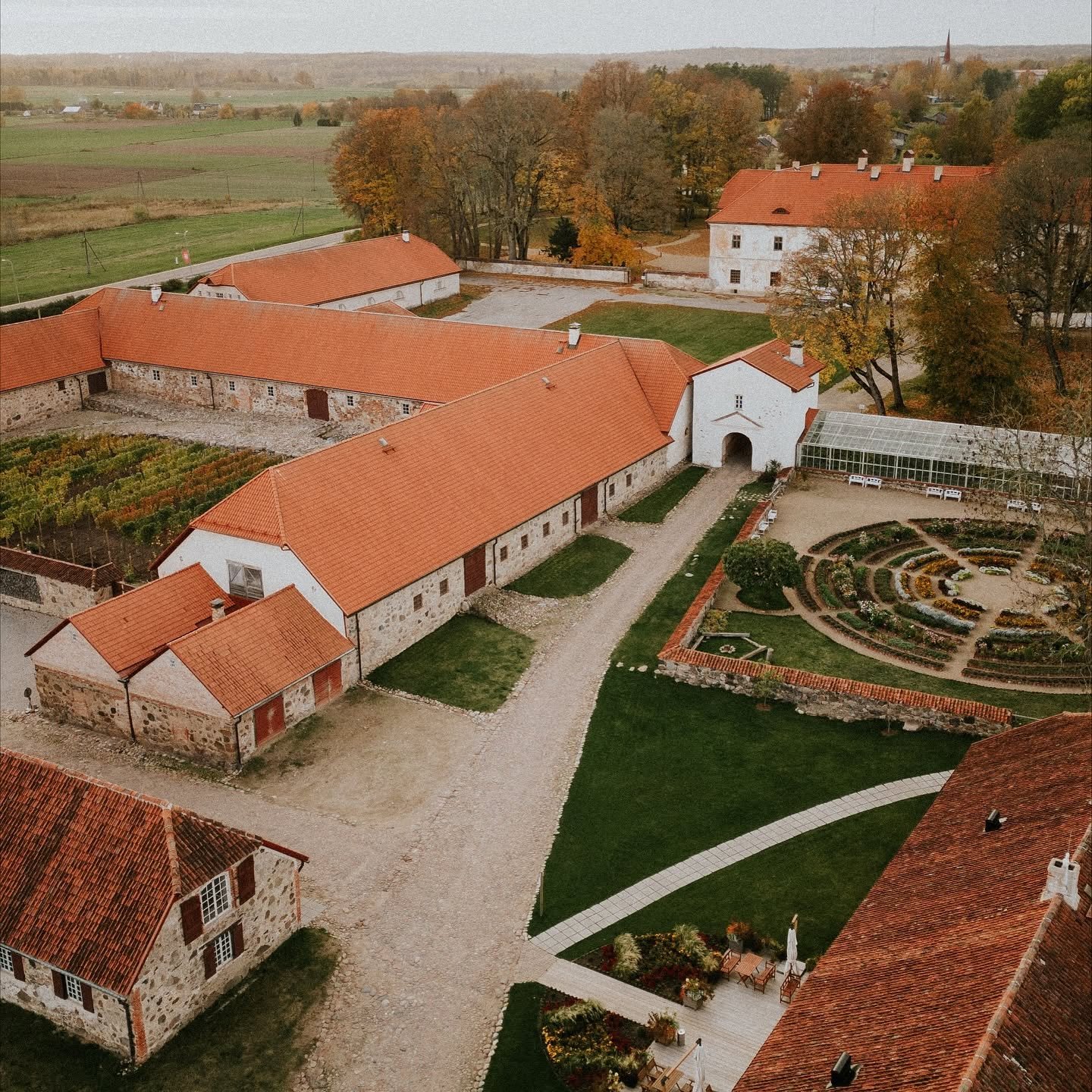
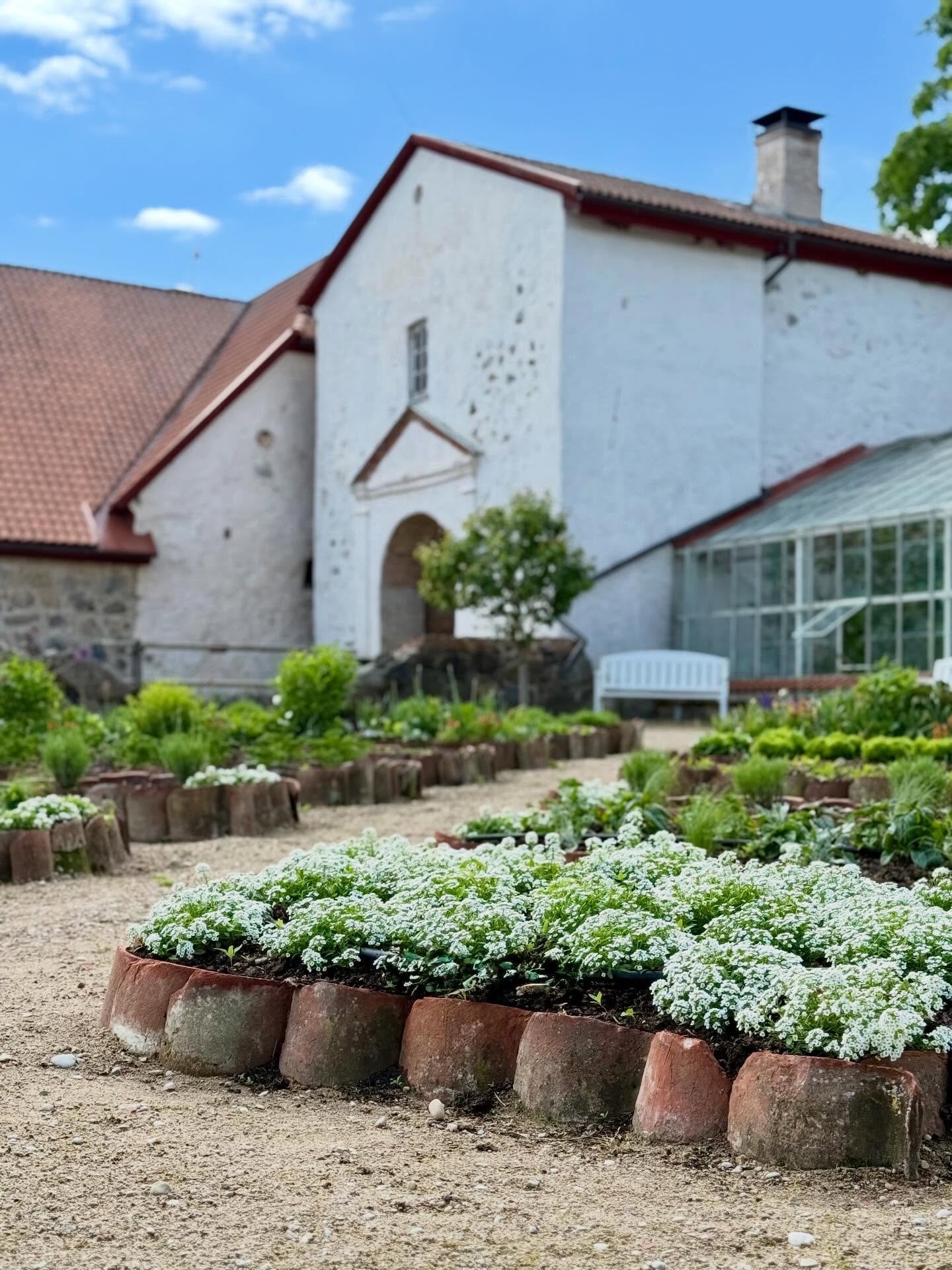
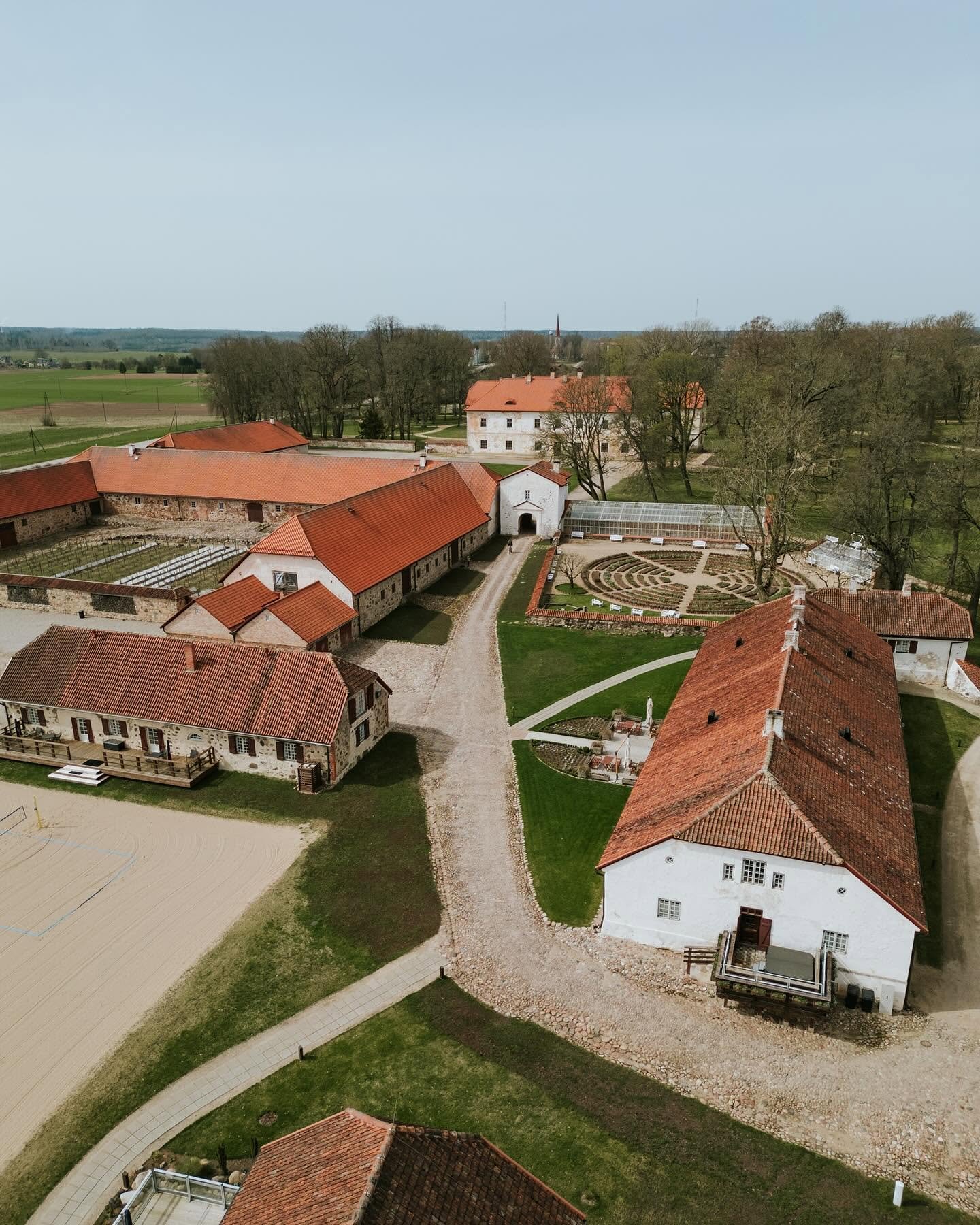
Nurmuiža (German: Nurmhusen) is a former castle of the vassal of the Livonian Order, built in the second half of the 16th century. The castle complex is the largest and the oldest manor in Latvia preserved to this day. The territory of the castle comprises 33 buildings and seven different heritage assets: there are six national-scale cultural heritage buildings, five cultural heritage buildings of local significance, as well as archaeological and natural heritage assets, an art heritage object, while the entire complex as a whole is also a cultural heritage object of national significance.
Nurmuiža is a former castle of the vassal of the Livonian Order in the Talsi region, built in the second half of the 16th century. Until the land reform of 1920, the castle belonged to the Firks family, which was one of the wealthiest families in the entire Courland region. The castle complex is the largest and the oldest manor in Latvia preserved to this day.
The Firks family were loyal allies of the Courland dukes and held high positions in the military hierarchy of the duchy, for which they were duly rewarded. It is known that the Firks also owned the Talsi and Pedvāle castles. In the vicinity of Nurmuiža, the family-owned and cultivated 17,000 hectares of farmland, which is essentially the entire Lauciene parish. One of the men from the Firks family was even an ambassador of Duke Jēkabs at the court of the King of France. The last German landlord ruling in Nurmuiža was Otto Firks. His initials match the initials of the current estate owner, Olegs Fiļs, which caught the attention of the workers involved in the restoration of the complex. And they started a new tradition – engraving the initials “OF” on each restored building of the manor.
In 2004, the estate was bought by former banker and entrepreneur Olegs Fiļs, and for nearly 20 years, continuous transformations have been taking place in the estate complex – extensive work is being done on research, conservation, and renovation to carefully preserve what exists and restore what has been lost, breathing new life into the structures that by the beginning of the 21st century were already mere ruins, overgrown with shrubs.
On the territory of the castle, there are seven different heritage assets: there are six national-scale cultural heritage buildings, five cultural heritage buildings of local significance, as well as archaeological and natural heritage assets, an art heritage object, while the entire complex as a whole is also a cultural heritage object of national significance.
During the first five years after the estate was purchased, the main focus was on cleaning, research, and conservation. Then the process of restoration and renovation was started.
During the research process, it was revealed that the main mansion was originally built as a fortified castle – the current entrance doors were once massive gates that allowed carriages to enter the inner courtyard. Later, the gates were bricked up. The castle’s interiors feature a reconstruction by Baltic-German architect Wilhelm Bockslaff, with elements of Art Nouveau from the early 20th century, examples of Neoclassicism, and 32 fireplaces.
Bockslaff’s Art Nouveau wallpapers and decorations coexist in the castle’s interior with the wall paintings in the Empire style from the 1830s, as well as overlays of paintings from other eras.
According to the estate owner, only in the past three years, as the estate gradually revived and revealed the historical scale of the Nurmuiža complex, one of the most challenging questions arises – what function should all the buildings in the complex serve in the future? After all, their historical purpose has already become obsolete in modern times.
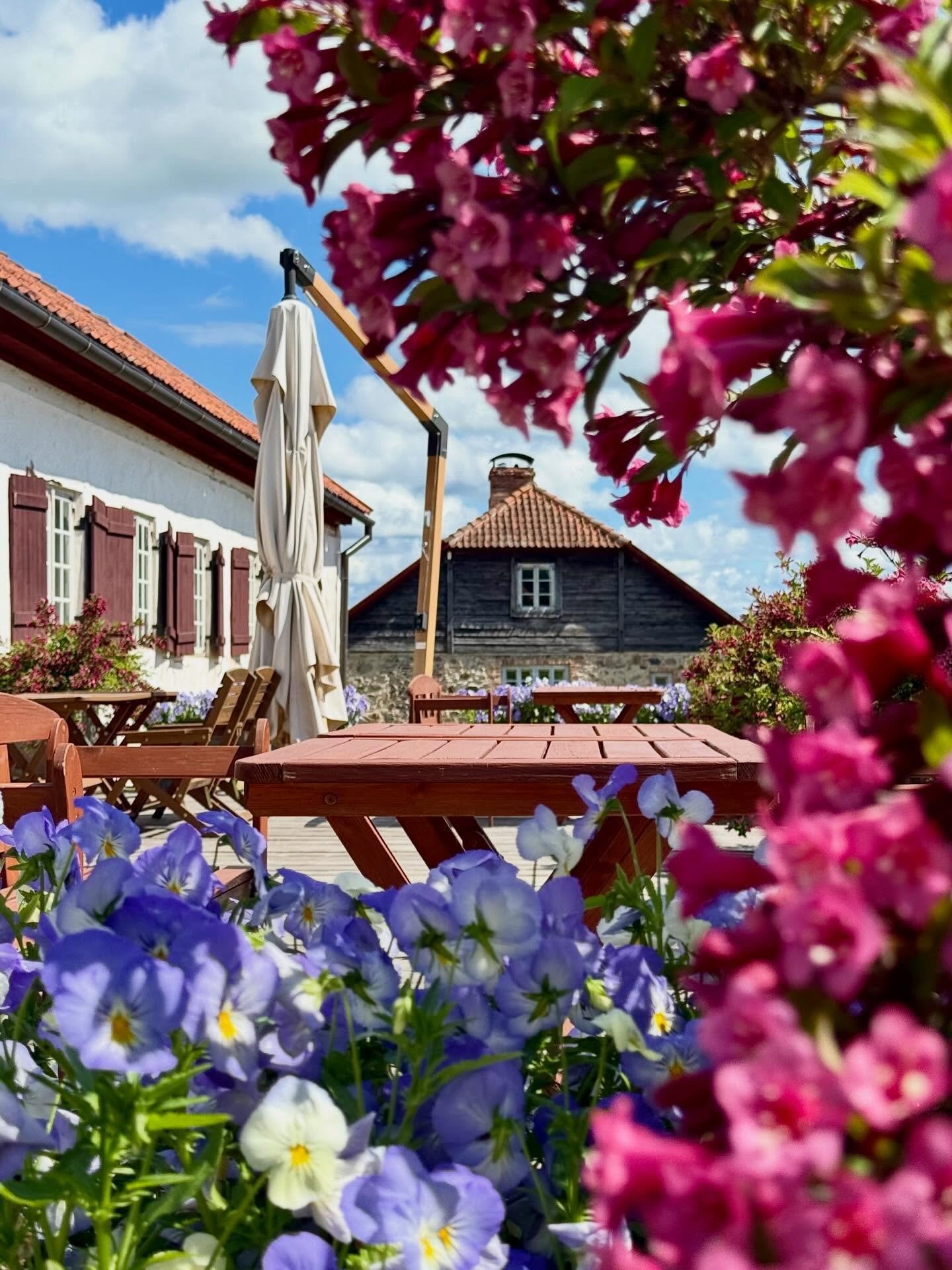
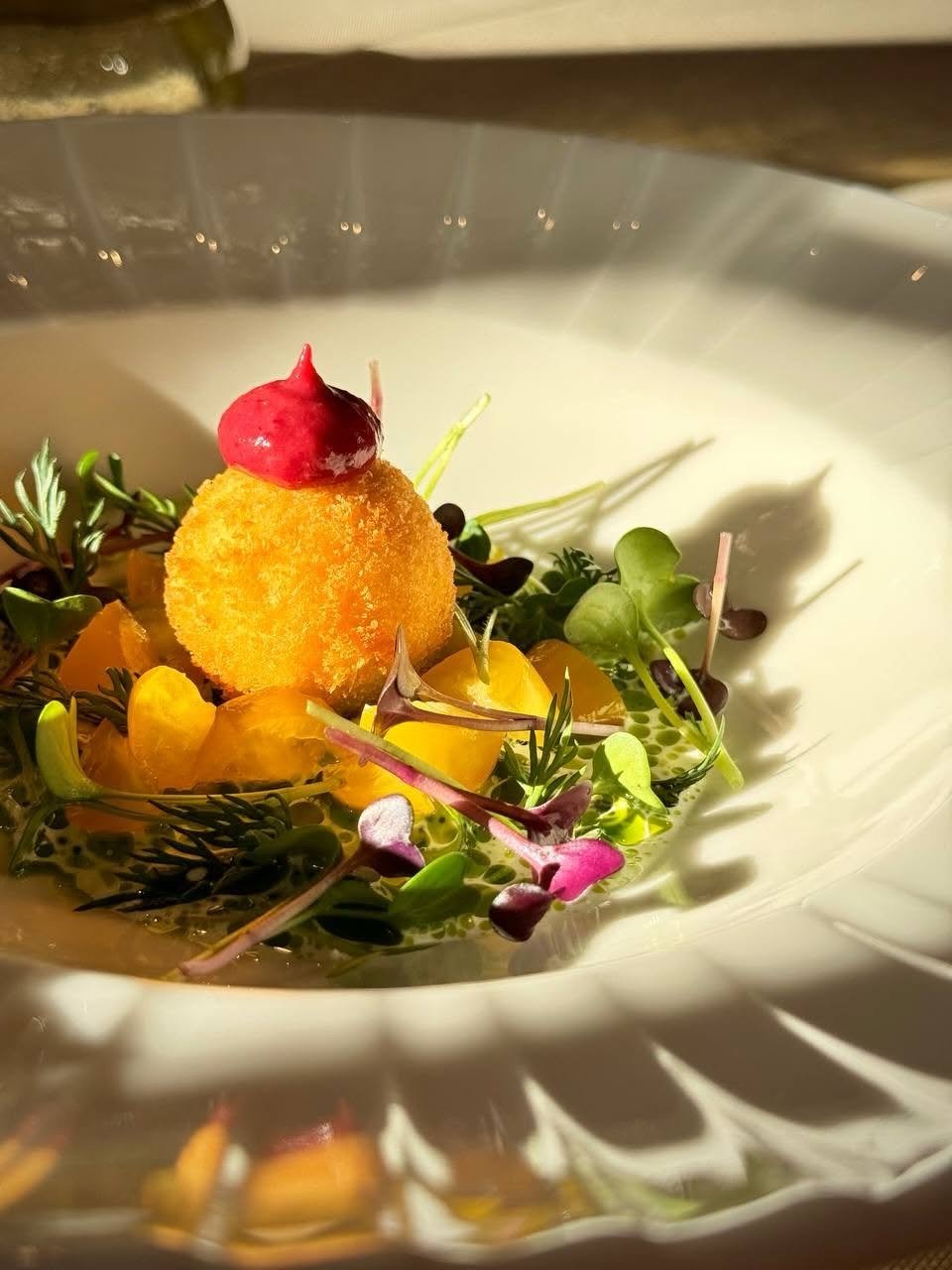
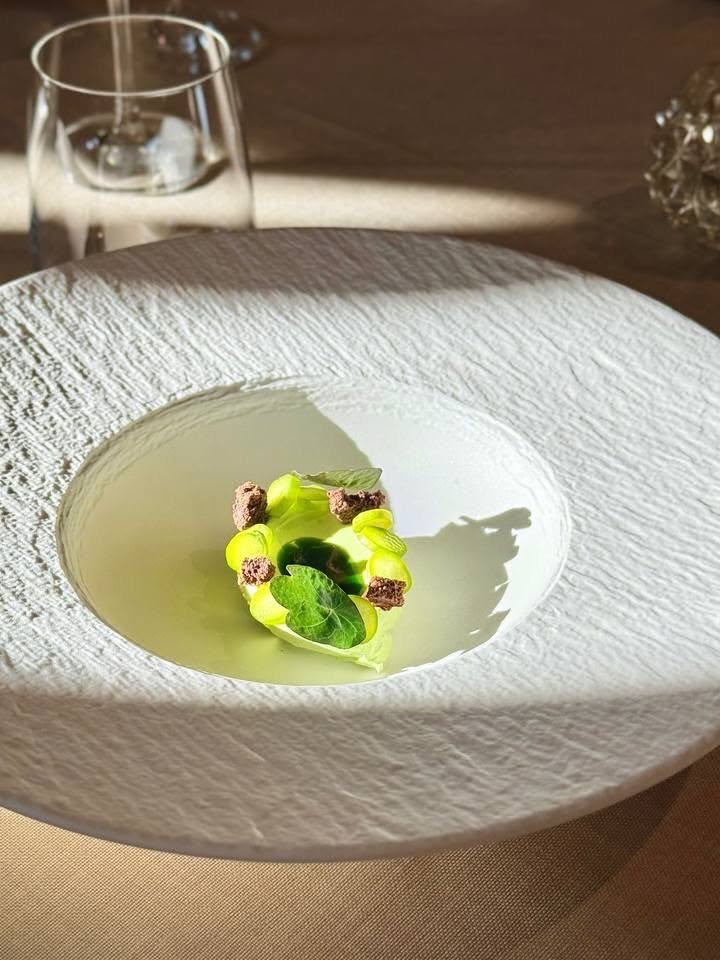
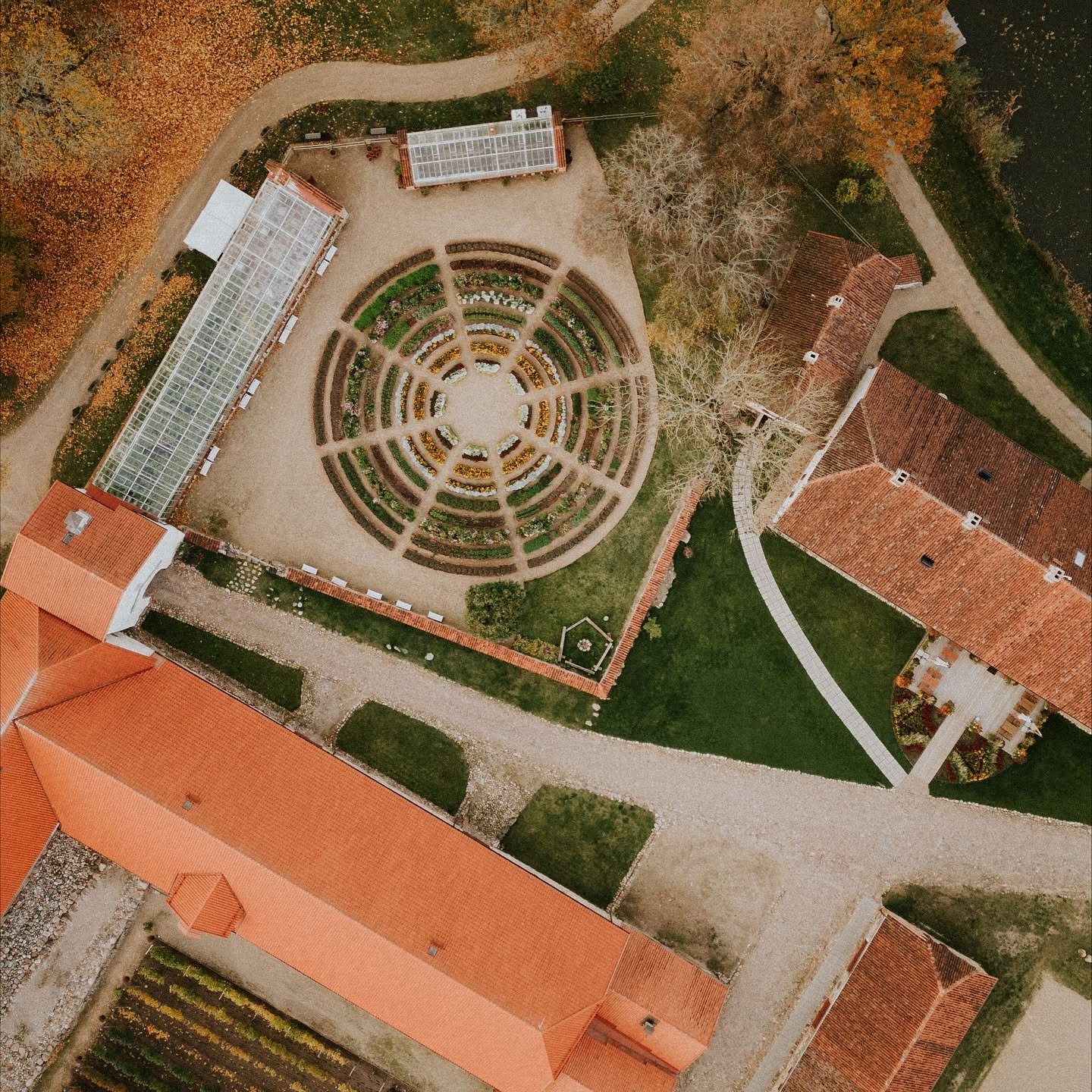
In May 2020, a restaurant named “Nurmuižas restorāns” opened in the historical building of the tavern, becoming the first publicly accessible facility in the estate complex. During the collective farm era, the tavern building housed garages and repair workshops for tractors, and during the renovation, about one and a half meters of technological layers had to be removed.
The largest restored building at the moment is the former barn building, which covers an area of 700 square meters. After renovation, it has become one of the most popular venues for celebrations and concerts.
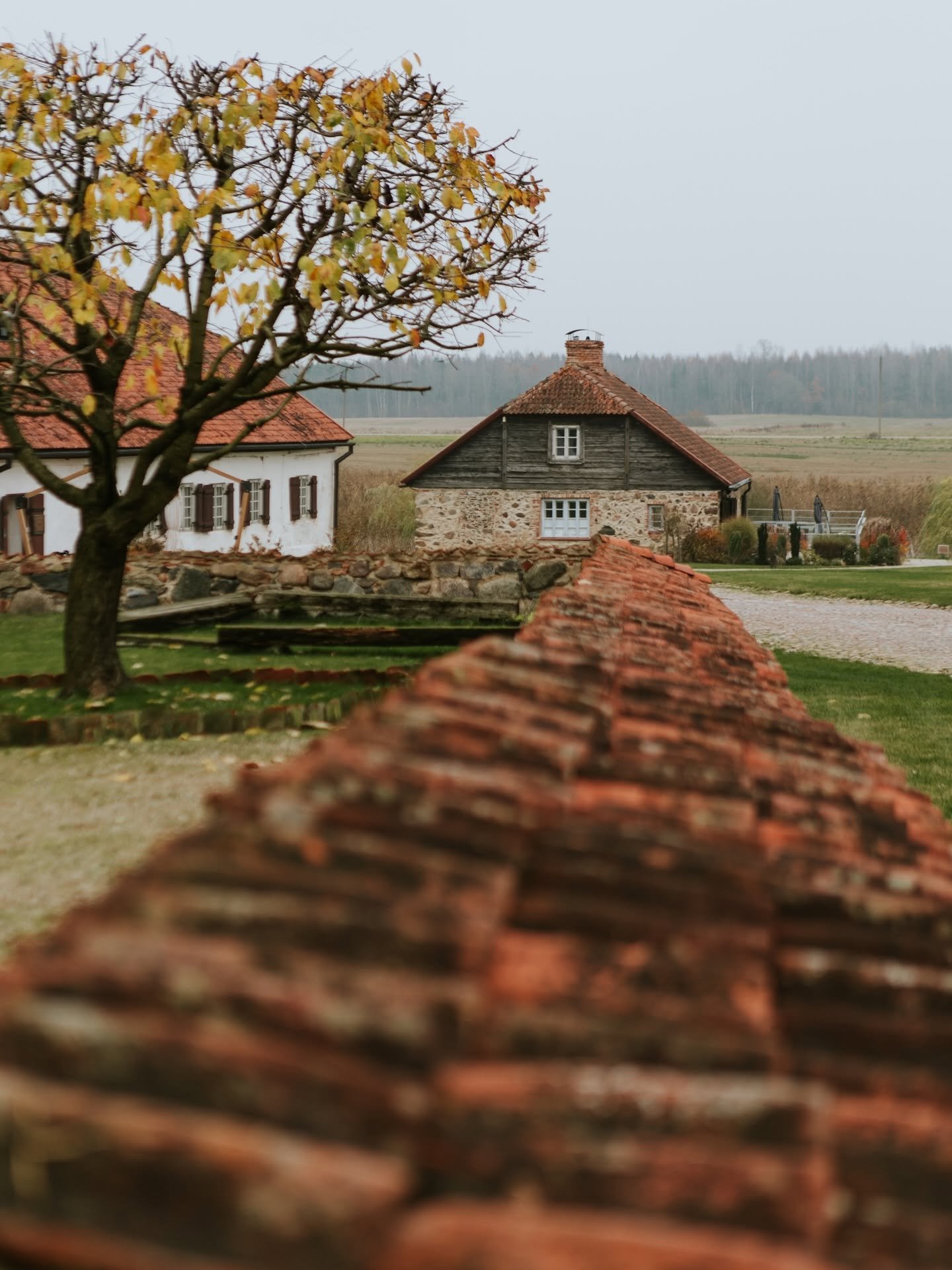
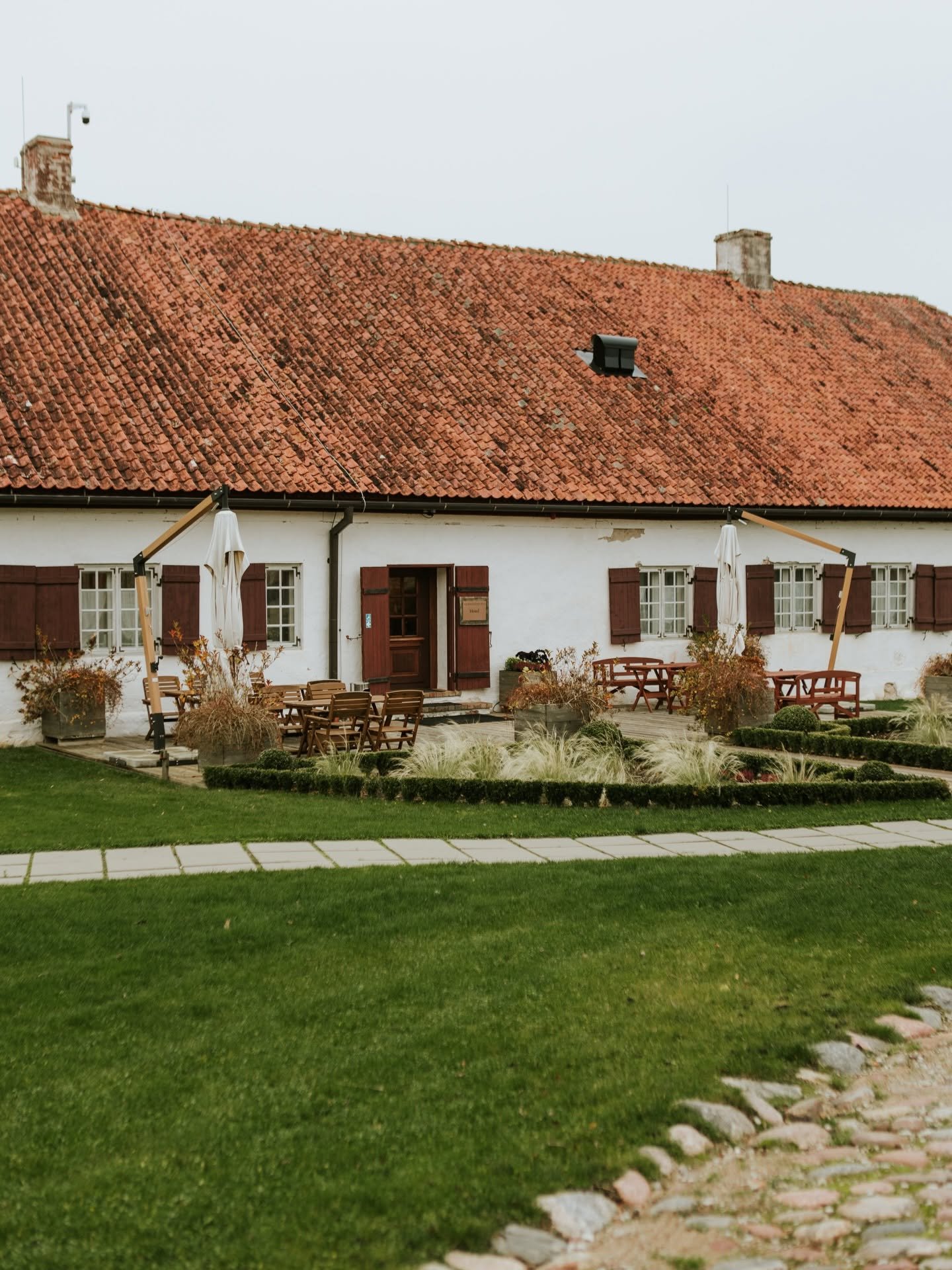
The orangery of the castle and the vineyard have also been restored on their historical foundations. The historically renovated servant’s house, which later housed a doctorate for some time, has now been transformed into a comfortable and cosy 22-room hotel.
Currently, the estate primarily employs local craftsmen from Lauciene, continuing the traditions of the von Firks era, when the barons were the centre of life in the surrounding areas and the main employers in the region and beyond. All the craft traditions applied in the restoration of Nurmuiža also have local roots, remaining unique and distinctive to this place.
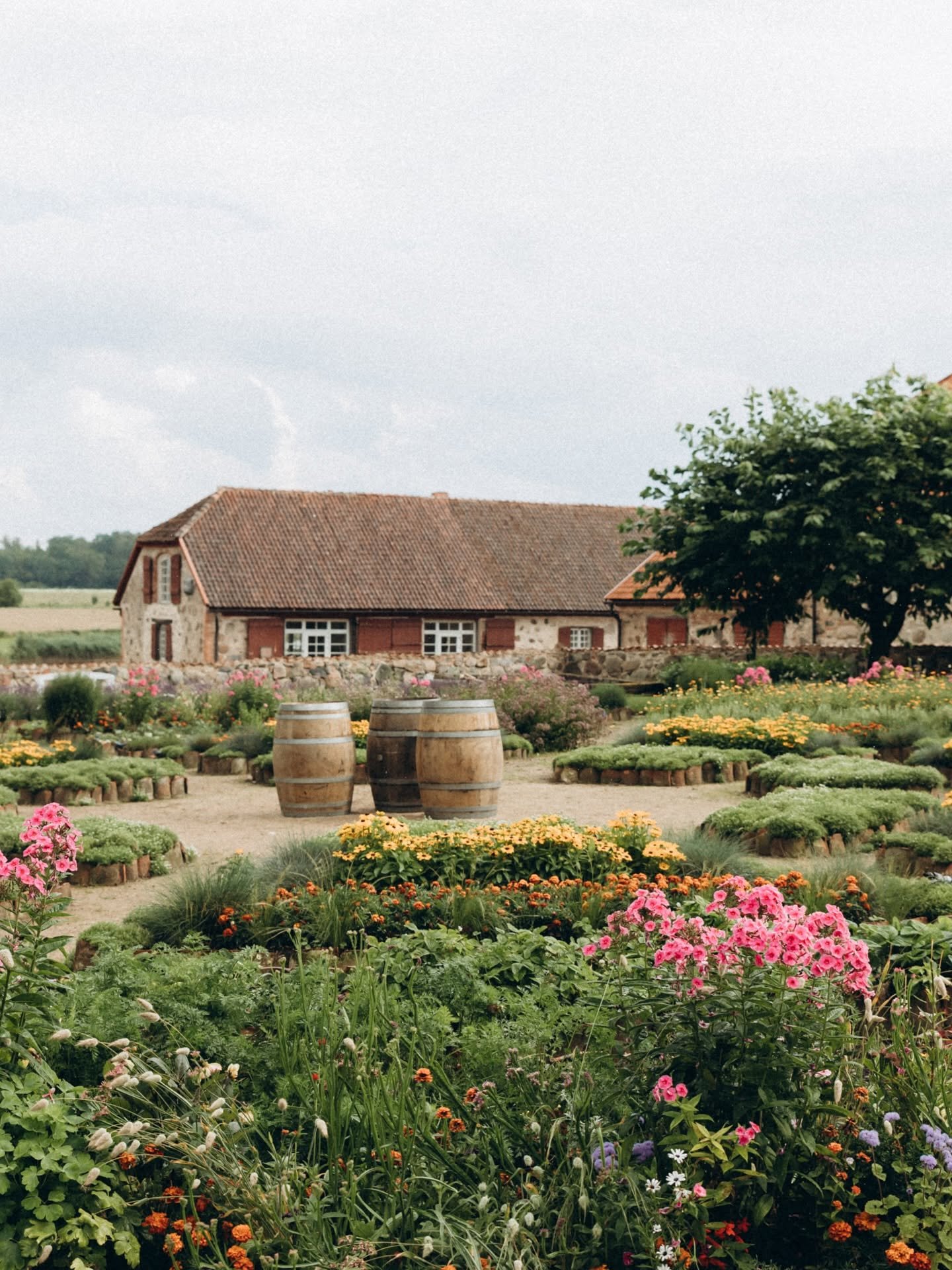
As the estate owner is also a great wine enthusiast, grape cultivation is well-developed in Nurmuiža. Part of the grapes are grown in the historical orangery, while the rest are cultivated outdoors, enclosed by thick stone walls that protect the grapes from wind and frost and create a unique microclimate. Nurmuiža cultivates both Latvian and Soviet grape varieties, as well as imported French grape varieties such as Pinot Noir and Chardonnay. Grape cultivation requires a lot of effort and time.
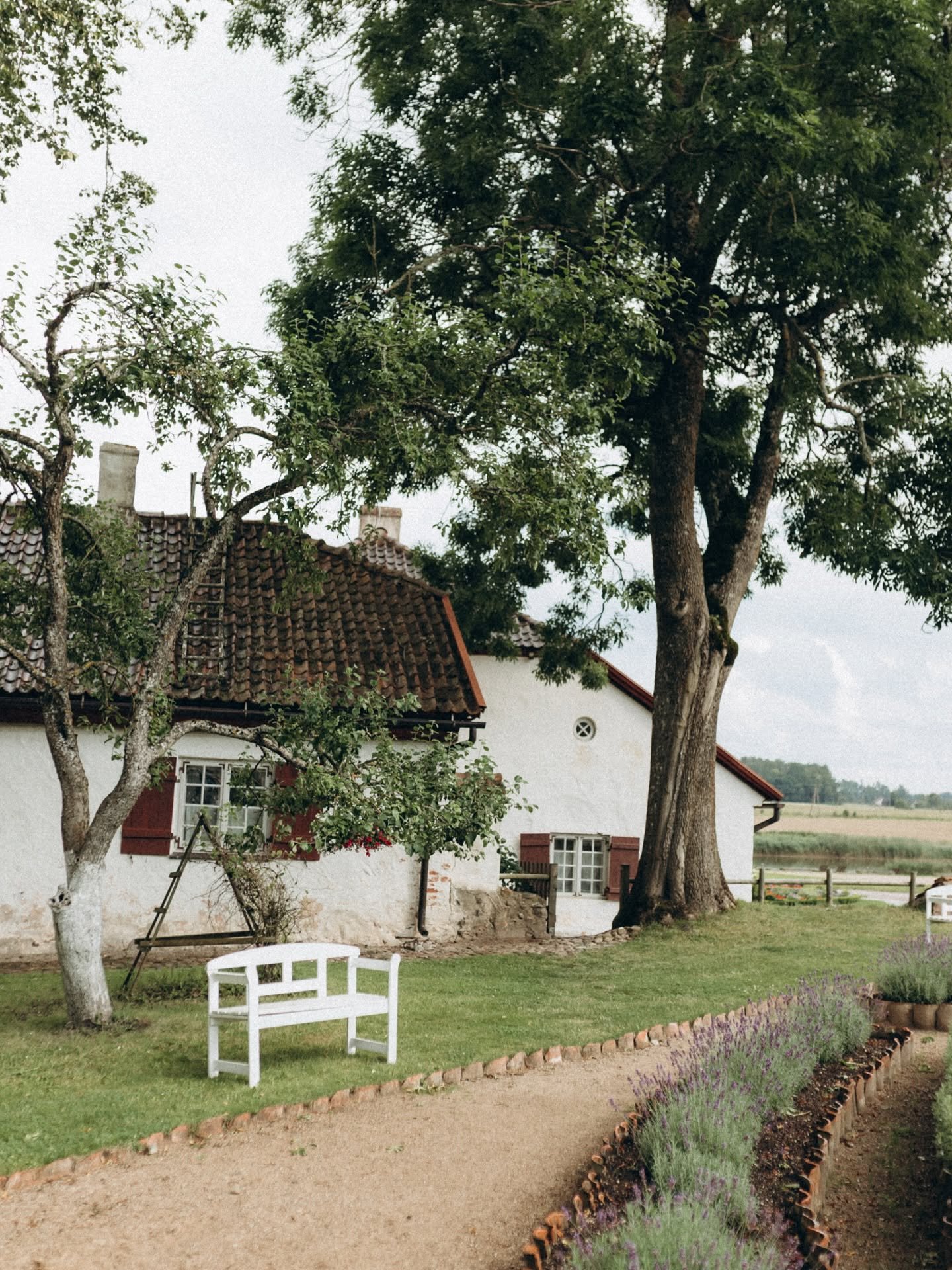
The picturesque park of Nurmuiža has also undergone a careful restoration. The improvement of the territory was carried out under archaeological supervision, as the creation of the castle complex is associated with the times of the Livonian Order. Ilze Māra Janelis, the only researcher of the history of gardens and parks of Latvian estates and a landscape architect, was invited for the park’s planning. The first mentions of the park, also known as the Baroque garden, are documented in the early 19th century records – in one of the most extensive catalogues of views and plans of medieval castles in Latvia and Estonia, the so-called Paulucci album.
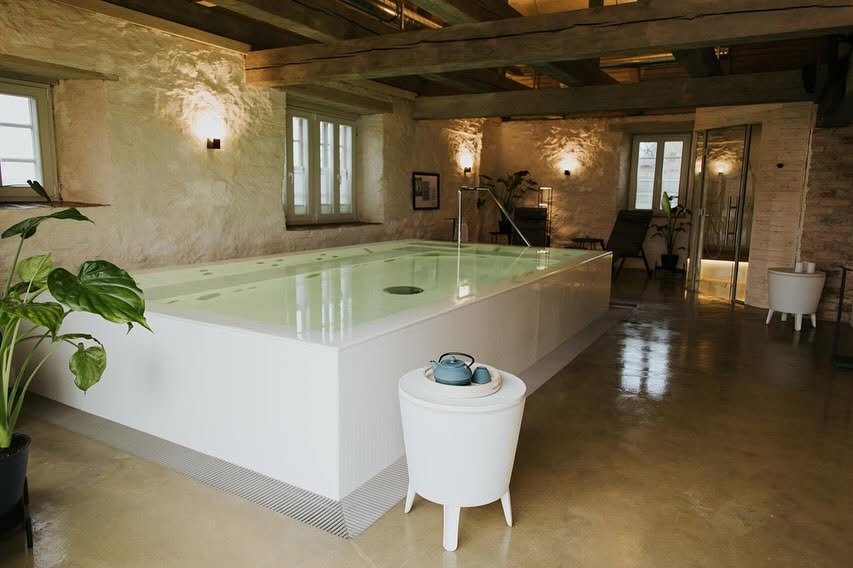
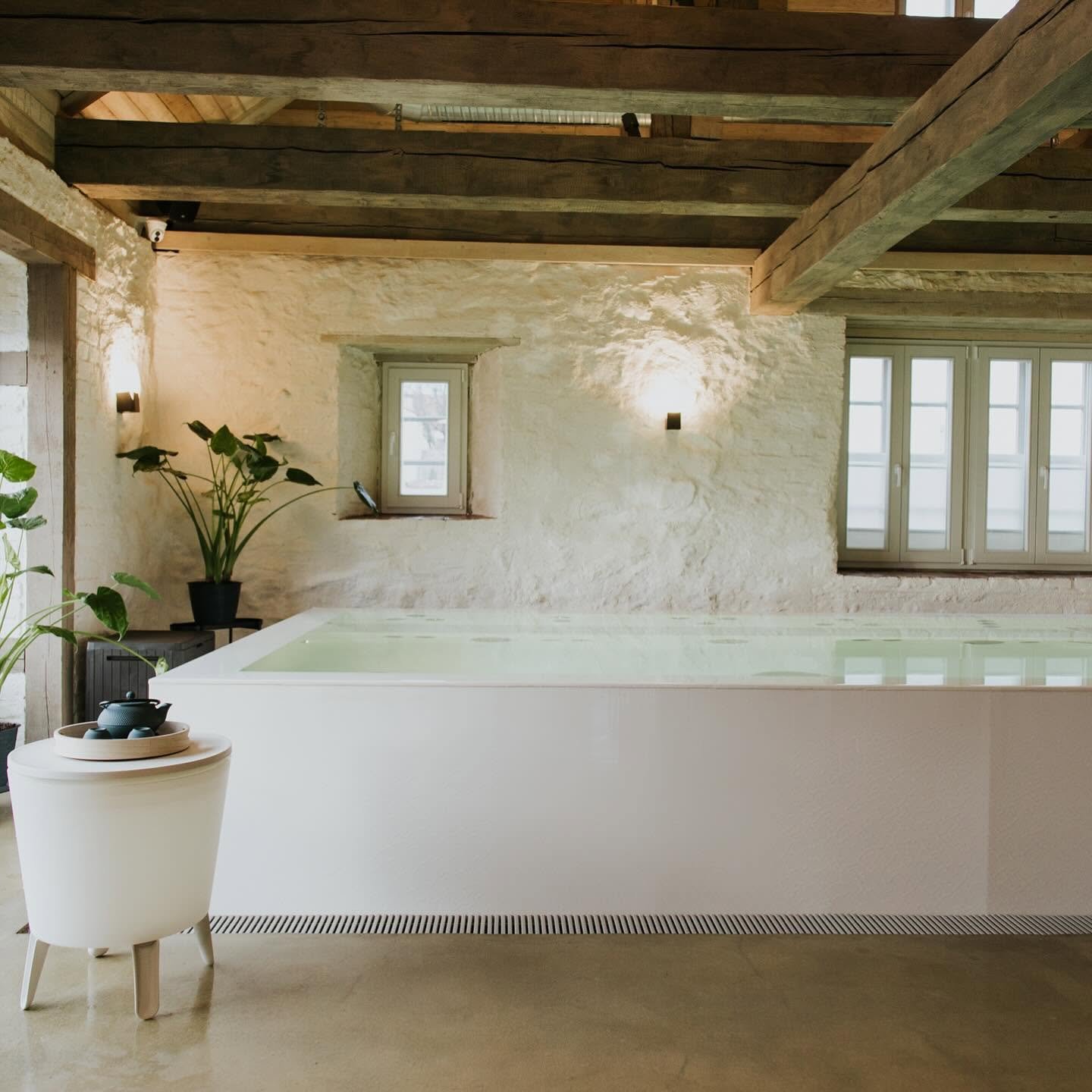
Each building in the complex complements the other organically and creates the integrity of the historical heritage preserved and developed within the complex. Today, it already offers its visitors guided tours, a restaurant, a hotel, and spa services.
Find Nurmuižas Pils Hotel
Lauciene, Talsu nov, Talsi Municipality ,Latvia
Need to know before you stay
Practical details to consider before completing your reservation.
- Pets are allowed on request. Charges may be applicable.
- Children of any age are welcome.
Related stays
Dome Hotel
Neiburgs Hotel